Buy unternehmensbewertung.eu ?
We are moving the project
unternehmensbewertung.eu .
Are you interested in purchasing the domain
unternehmensbewertung.eu ?
domain@kv-gmbh.de · 0541-91531010
Buy unternehmensbewertung.eu ?
'How can I market my goods?'
There are several ways to market your goods, including online and offline strategies. Online marketing can include creating a website, utilizing social media, and running digital advertising campaigns. Offline marketing can involve participating in trade shows, distributing printed materials, and networking with potential customers. It's important to understand your target audience and tailor your marketing efforts to reach them effectively. Additionally, building a strong brand and providing excellent customer service can help attract and retain customers. **
Where can one get flea market goods?
One can get flea market goods at local flea markets, which are often held in outdoor spaces or indoor venues on weekends. Additionally, flea market goods can also be found at antique malls, thrift stores, and online marketplaces such as eBay or Etsy. Many people also sell flea market goods at garage sales or through social media platforms like Facebook Marketplace. **


Similar search terms for Goods
Top-Angebote
Products related to Goods:
-
STP Goods STP-Goods 4.2-Quart Black Rim Red White Polka-dot Enamelware BowlSTP-Goods ultra-light, durable outdoor & indoor 4.2-Quart small bowl is is perfect for marinating meat, cooking outdoors, or, filled with ice, for cooling the drinks.35,49 $*Shipping: 0,00 $Secure redirect to the provider
-
STP Goods STP-Goods 2.7-Quart Spring Bouquet Enamel on Steel Whistle Tea KettleEnjoy your hot beverage with STP-Goods 2.7-Quart Spring Bouquet Enamel on Steel Whistle Tea Kettle. A classic white enamel tea kettle decorated with an image of a bouquet full of colorful spring flowers! What a treat!55,49 $*Shipping: 0,00 $Secure redirect to the provider
-
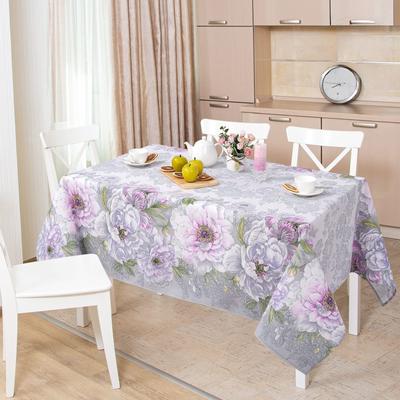
STP Goods Peonies Cotton TableclothBring elegance and freshness to your dining space with the Eleonora Cotton Tablecloth. The charming floral pattern creates a refined and inviting atmosphere, making it perfect for both everyday meals and festive occasions.43,99 $*Shipping: 0,00 $Secure redirect to the provider


-
What is the difference between factor market and goods market?
Factor market refers to the market where factors of production such as labor, capital, land, and entrepreneurship are bought and sold. On the other hand, the goods market is where finished goods and services are bought and sold. Factor market deals with the exchange of inputs used in the production process, while the goods market deals with the exchange of final products for consumption. In essence, factor market facilitates production, while the goods market facilitates consumption. **
-
What are complementary goods, substitute goods, and indifferent goods?
Complementary goods are products that are typically used together, such as peanut butter and jelly. When the price of one complementary good increases, the demand for the other complementary good may decrease. Substitute goods are products that can be used in place of each other, such as butter and margarine. When the price of one substitute good increases, the demand for the other substitute good may increase. Indifferent goods are products that consumers see as interchangeable and are indifferent between the two, such as two different brands of bottled water. **
-
What is the difference between the labor market and the goods market?
The labor market is where individuals supply their labor to businesses and organizations in exchange for wages or salaries. It is the market for the buying and selling of labor services. On the other hand, the goods market is where businesses supply goods and services to consumers in exchange for payment. It is the market for the buying and selling of goods and services. In summary, the labor market deals with the exchange of labor for wages, while the goods market deals with the exchange of goods and services for payment. **
-
What service providers are available for flea market goods?
Service providers available for flea market goods include vendors who sell a variety of products, such as clothing, accessories, antiques, and handmade items. Additionally, there may be food vendors offering snacks and beverages for shoppers. Some flea markets also have services like repair and restoration experts for antiques, as well as appraisers for valuable items. Overall, flea markets offer a diverse range of service providers to cater to the needs and interests of shoppers. **

Can you sell new goods at a flea market?
Yes, you can sell new goods at a flea market. Many flea markets allow vendors to sell a variety of items, including new merchandise. However, it's important to check with the specific flea market you are interested in to understand their rules and regulations regarding the sale of new goods. Some flea markets may have restrictions on the types of new items that can be sold, or may require vendors to obtain certain permits or licenses. **
What is the difference between smuggled goods, stolen goods, and counterfeit goods?
Smuggled goods are items that are illegally transported across borders without proper authorization or payment of duties. Stolen goods are items that have been taken without permission or legal right from their rightful owner. Counterfeit goods are items that are made to look like genuine products but are actually fake and infringe on the intellectual property rights of the original brand. Each type of goods involves different illegal activities and poses different risks to consumers and the economy. **
Top-Angebote
Products related to Goods:
-
Quercus Financial Joy: Set your financial goals for 2026 - Banish Debt, Grow Your Money and Unlock Financial Freedom by Ken and Mary OkoroaforAs seen on ITV's This Morning! A life-changing 10-week plan to help you to turn your life around and design a path to financial freedom, enriched with the small experiences that bring you joy. Stop worrying about money. Start enjoying your life. You might be struggling in debt, living paycheque to paycheque, or worried about preparing for retirement; maybe you're considering your first investment, or you just want an escape plan from the '9 to 5'. Wherever you are on your journey, this book will revolutionize your lifestyle and your relationship with money. Authors Ken and Mary Okoroafor started out as resource-poor, working-class immigrants and have built a life of financial independence and joyful moments through hard work, smart saving and savvy investing. They know what it feels like to start from ground zero, and as a chartered accountant and former CFO, Ken shares his financial expertise to help you unlock the secret to building wealth. You'll learn how to take control of your finances, develop good money habits, become debt-free, invest in assets and multiply your income so you can create the freedom to travel, spend time with your loved ones and plan for a stress-free (early) retirement - all whilst prioritising your wellbeing and having fun! It also includes a dozen real-life interviews with singles, couples and those with children, from different backgrounds, age groups and stages of their money journey, including a few well-known public figures. Financial joy can be achieved by anyone - and it can start today, not tomorrow.5,99 £*Shipping: 2,99 £Secure redirect to the provider
-
Quercus Financial Joy: Banish Debt, Grow Your Money and Unlock Financial Freedom - Ken & Mary Okoroafor - Paperback - Sunday Times Bestseller Money GuideFinancial Joy is a practical guide to managing your finances, written by Ken and Mary Okoroafor. This Sunday Times bestselling book offers a structured ten-week programme to help you reset your relationship with money. Rather than focusing on restriction, the authors champion 'financial joy' - the idea that budgeting, saving, and investing can coexist with the small pleasures that make life worth living. The book draws on the authors' own story of building financial independence through discipline, smart saving, and considered investing, providing a genuine and relatable approach to personal finance.5,99 £*Shipping: 2,99 £Secure redirect to the provider
-
STP Goods STP-Goods 4.2-Quart Black Rim Red White Polka-dot Enamelware BowlSTP-Goods ultra-light, durable outdoor & indoor 4.2-Quart small bowl is is perfect for marinating meat, cooking outdoors, or, filled with ice, for cooling the drinks.35,49 $*Shipping: 0,00 $Secure redirect to the provider
-
'How can I market my goods?'
There are several ways to market your goods, including online and offline strategies. Online marketing can include creating a website, utilizing social media, and running digital advertising campaigns. Offline marketing can involve participating in trade shows, distributing printed materials, and networking with potential customers. It's important to understand your target audience and tailor your marketing efforts to reach them effectively. Additionally, building a strong brand and providing excellent customer service can help attract and retain customers. **
-
Where can one get flea market goods?
One can get flea market goods at local flea markets, which are often held in outdoor spaces or indoor venues on weekends. Additionally, flea market goods can also be found at antique malls, thrift stores, and online marketplaces such as eBay or Etsy. Many people also sell flea market goods at garage sales or through social media platforms like Facebook Marketplace. **
-
What is the difference between factor market and goods market?
Factor market refers to the market where factors of production such as labor, capital, land, and entrepreneurship are bought and sold. On the other hand, the goods market is where finished goods and services are bought and sold. Factor market deals with the exchange of inputs used in the production process, while the goods market deals with the exchange of final products for consumption. In essence, factor market facilitates production, while the goods market facilitates consumption. **
-
What are complementary goods, substitute goods, and indifferent goods?
Complementary goods are products that are typically used together, such as peanut butter and jelly. When the price of one complementary good increases, the demand for the other complementary good may decrease. Substitute goods are products that can be used in place of each other, such as butter and margarine. When the price of one substitute good increases, the demand for the other substitute good may increase. Indifferent goods are products that consumers see as interchangeable and are indifferent between the two, such as two different brands of bottled water. **
Similar search terms for Goods
-
STP Goods STP-Goods 2.7-Quart Spring Bouquet Enamel on Steel Whistle Tea KettleEnjoy your hot beverage with STP-Goods 2.7-Quart Spring Bouquet Enamel on Steel Whistle Tea Kettle. A classic white enamel tea kettle decorated with an image of a bouquet full of colorful spring flowers! What a treat!55,49 $*Shipping: 0,00 $Secure redirect to the provider
-
STP Goods Peonies Cotton TableclothBring elegance and freshness to your dining space with the Eleonora Cotton Tablecloth. The charming floral pattern creates a refined and inviting atmosphere, making it perfect for both everyday meals and festive occasions.43,99 $*Shipping: 0,00 $Secure redirect to the provider
-
Grandpa Beck’s Games Cover Your Assets Card Game - Easy Matching Stealing Game for Family 8+Lively card game for family and friends. Players match and steal sets of valuables. Includes piggy banks, jewelry, classic cars. 4-6 players. Ages 7+. Easy-to-learn gameplay.13,69 £*Shipping: 3,95 £Secure redirect to the provider
-
What is the difference between the labor market and the goods market?
The labor market is where individuals supply their labor to businesses and organizations in exchange for wages or salaries. It is the market for the buying and selling of labor services. On the other hand, the goods market is where businesses supply goods and services to consumers in exchange for payment. It is the market for the buying and selling of goods and services. In summary, the labor market deals with the exchange of labor for wages, while the goods market deals with the exchange of goods and services for payment. **
-
What service providers are available for flea market goods?
Service providers available for flea market goods include vendors who sell a variety of products, such as clothing, accessories, antiques, and handmade items. Additionally, there may be food vendors offering snacks and beverages for shoppers. Some flea markets also have services like repair and restoration experts for antiques, as well as appraisers for valuable items. Overall, flea markets offer a diverse range of service providers to cater to the needs and interests of shoppers. **
-
Can you sell new goods at a flea market?
Yes, you can sell new goods at a flea market. Many flea markets allow vendors to sell a variety of items, including new merchandise. However, it's important to check with the specific flea market you are interested in to understand their rules and regulations regarding the sale of new goods. Some flea markets may have restrictions on the types of new items that can be sold, or may require vendors to obtain certain permits or licenses. **
-
What is the difference between smuggled goods, stolen goods, and counterfeit goods?
Smuggled goods are items that are illegally transported across borders without proper authorization or payment of duties. Stolen goods are items that have been taken without permission or legal right from their rightful owner. Counterfeit goods are items that are made to look like genuine products but are actually fake and infringe on the intellectual property rights of the original brand. Each type of goods involves different illegal activities and poses different risks to consumers and the economy. **
* All prices are inclusive of VAT and, if applicable, plus shipping costs. The offer information is based on the details provided by the respective shop and is updated through automated processes. Real-time updates do not occur, so deviations can occur in individual cases. ** Note: Parts of this content were created by AI.