Buy unternehmensbewertung.eu ?
We are moving the project
unternehmensbewertung.eu .
Are you interested in purchasing the domain
unternehmensbewertung.eu ?
domain@kv-gmbh.de · 0541-91531010
Buy unternehmensbewertung.eu ?
White or rosé tuna?
White tuna is typically the preferred choice for sushi and sashimi due to its mild flavor and firm texture. Rosé tuna, also known as bluefin tuna, is prized for its rich, fatty flesh and is often used in dishes like sashimi and sushi. Both types of tuna have their own unique qualities, so the choice ultimately depends on personal preference and the specific dish being prepared. **
What are the substitution method, the addition method, the substitution method, and the subtraction method?
The substitution method is a technique used to solve systems of equations by solving one equation for one variable and then substituting that expression into the other equation. The addition method, also known as the elimination method, involves adding or subtracting the equations in a system to eliminate one of the variables. The multiplication method is a technique used to solve systems of equations by multiplying one or both equations by a constant to create opposite coefficients for one of the variables. The subtraction method is similar to the addition method, but instead of adding the equations, one equation is subtracted from the other to eliminate one of the variables. **
Similar search terms for Sparkling-Traditional-Method-Rosé
Top-Angebote
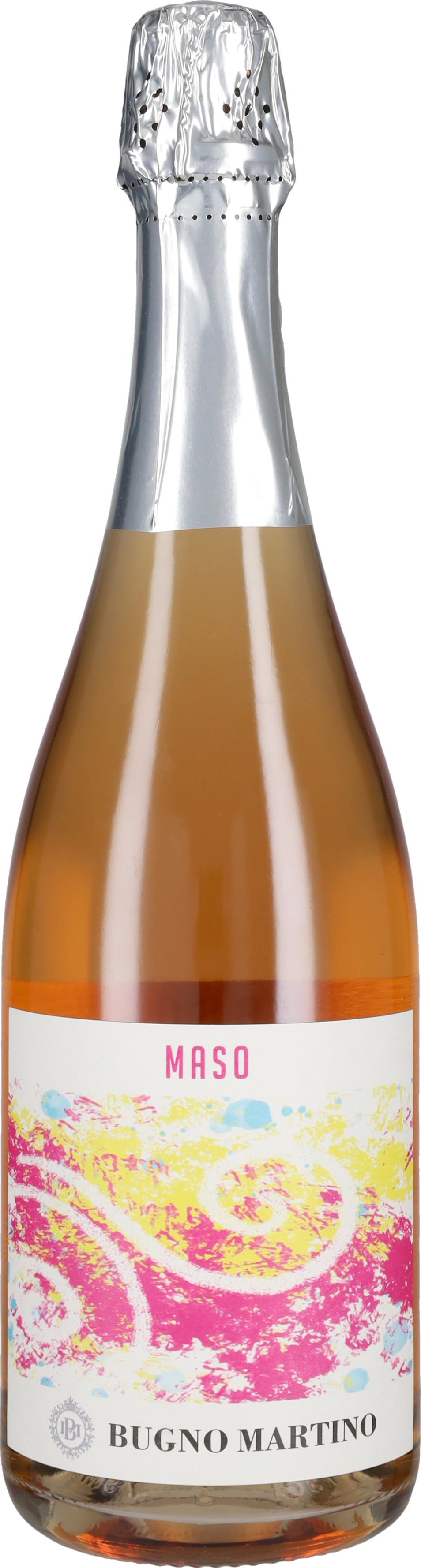
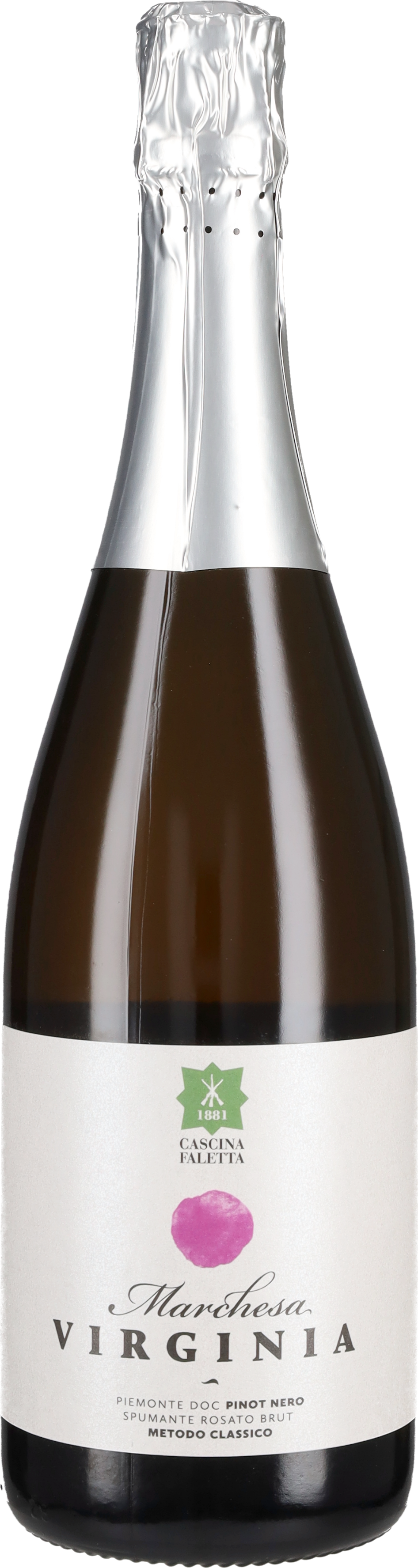
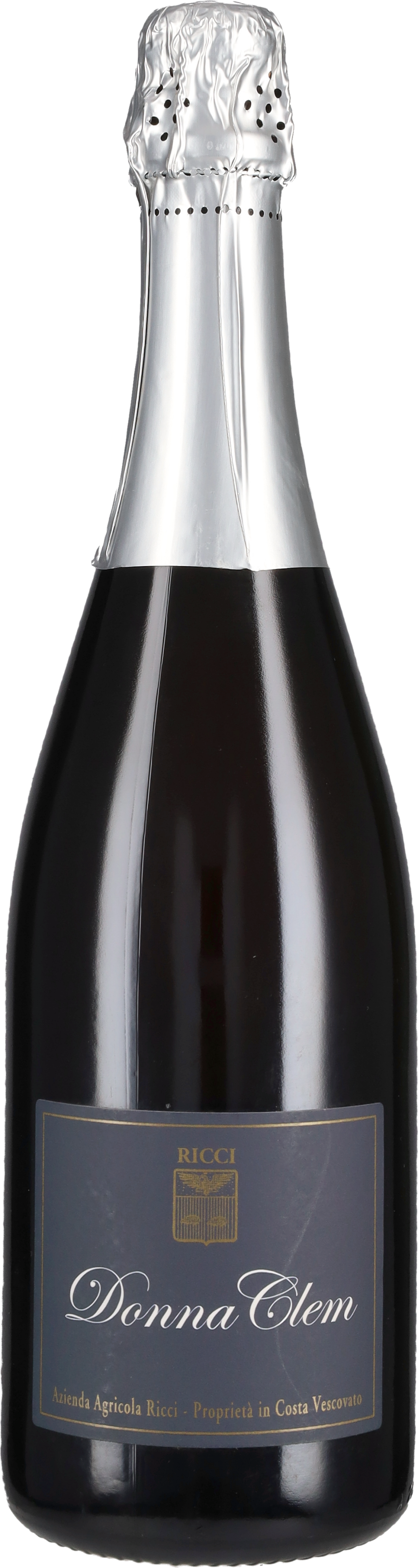
Products related to Sparkling-Traditional-Method-Rosé:
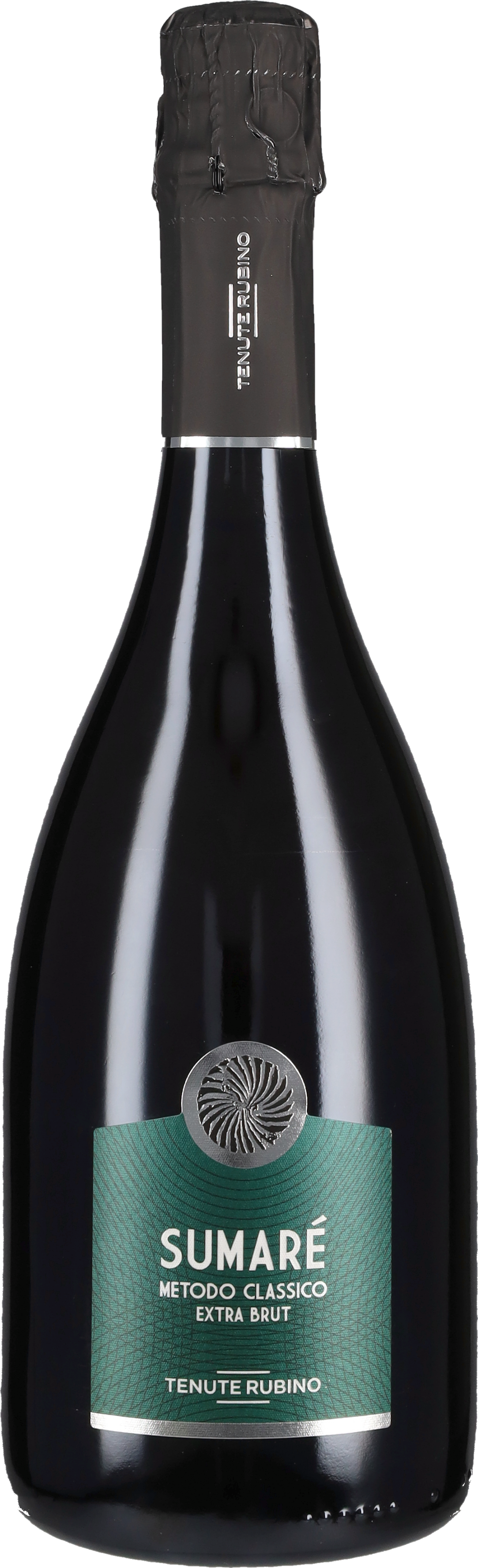
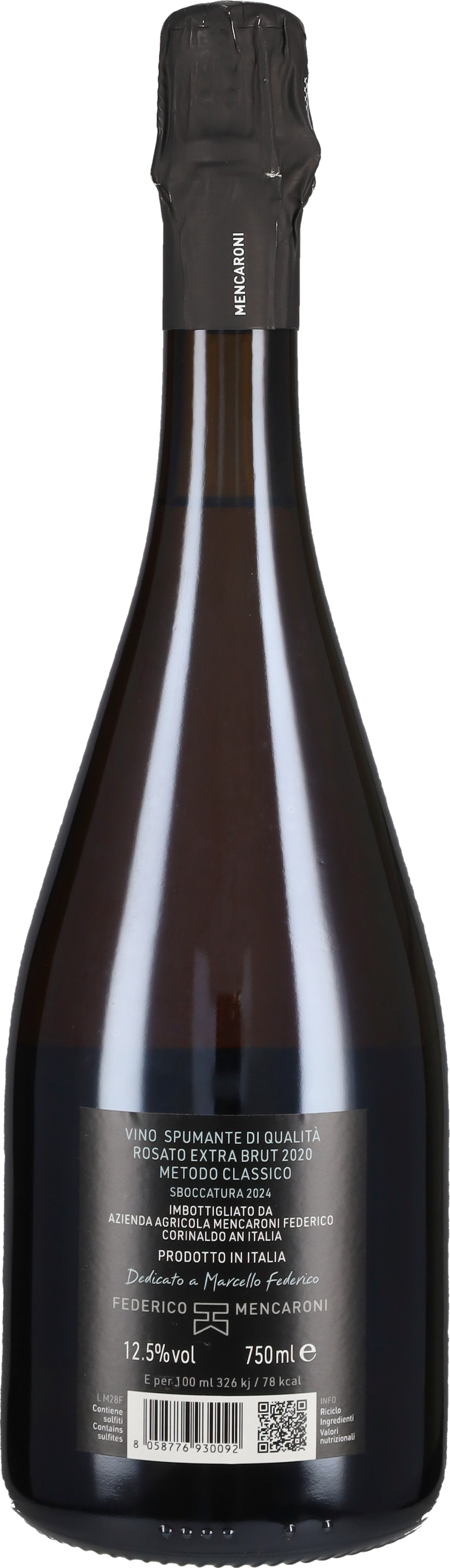
-
How do the substitution method, the equating method, and the elimination method differ?
The substitution method involves solving one of the equations for one variable and then substituting that expression into the other equation. The equating method involves setting the two equations equal to each other and solving for one variable. The elimination method involves adding or subtracting the two equations to eliminate one of the variables, and then solving for the remaining variable. Each method has its own unique approach to solving systems of equations, and the choice of method depends on the specific equations and variables involved. **
-
What is the sales cost method, the direct cost method, the overhead cost method, and the full cost method?
The sales cost method is a pricing strategy that sets the selling price of a product by adding a desired profit margin to the cost of the product. The direct cost method involves calculating the cost of producing a product by considering only the direct costs, such as materials and labor. The overhead cost method involves factoring in the indirect costs, such as rent, utilities, and administrative expenses, in addition to the direct costs. The full cost method takes into account all costs associated with producing a product, including direct and indirect costs, to determine the total cost of production. **
-
How do the substitution method, the method of equating coefficients, and the elimination method differ?
The substitution method involves solving one of the equations for one variable and then substituting that expression into the other equation. The method of equating coefficients involves setting the coefficients of the variables in both equations equal to each other and solving for the variables. The elimination method involves adding or subtracting the equations to eliminate one of the variables and then solving for the remaining variable. Each method has its own unique approach to solving systems of equations and may be more suitable depending on the specific problem at hand. **
-
Which method, the 3-point method or the 4-point method, provides the better value?
The 4-point method generally provides a better value compared to the 3-point method. This is because the 4-point method allows for a more comprehensive assessment of the subject being evaluated, as it considers additional data points and provides a more nuanced understanding. The 3-point method may be simpler and quicker, but it may not capture the full range of factors that contribute to the overall value of the subject. Therefore, in most cases, the 4-point method is preferred for its ability to provide a more accurate and detailed evaluation. **

Is my own learning method or memorization method good?
It ultimately depends on your individual learning style and preferences. Some people may find that they learn best through hands-on activities and practical application, while others may excel at memorization and rote learning. It's important to experiment with different methods and techniques to see what works best for you. Additionally, a combination of both methods may be beneficial in certain situations to enhance understanding and retention of information. **
What is more effective: Newton's method or bisection method?
Newton's method is generally more effective than the bisection method in terms of convergence speed. Newton's method typically converges faster as it uses the derivative of the function to find the root, while the bisection method only relies on the sign change of the function. However, Newton's method may not always converge or may converge to a local minimum if the initial guess is not close enough to the root, whereas the bisection method is more robust and guaranteed to converge to a root within a specified interval. **
Top-Angebote
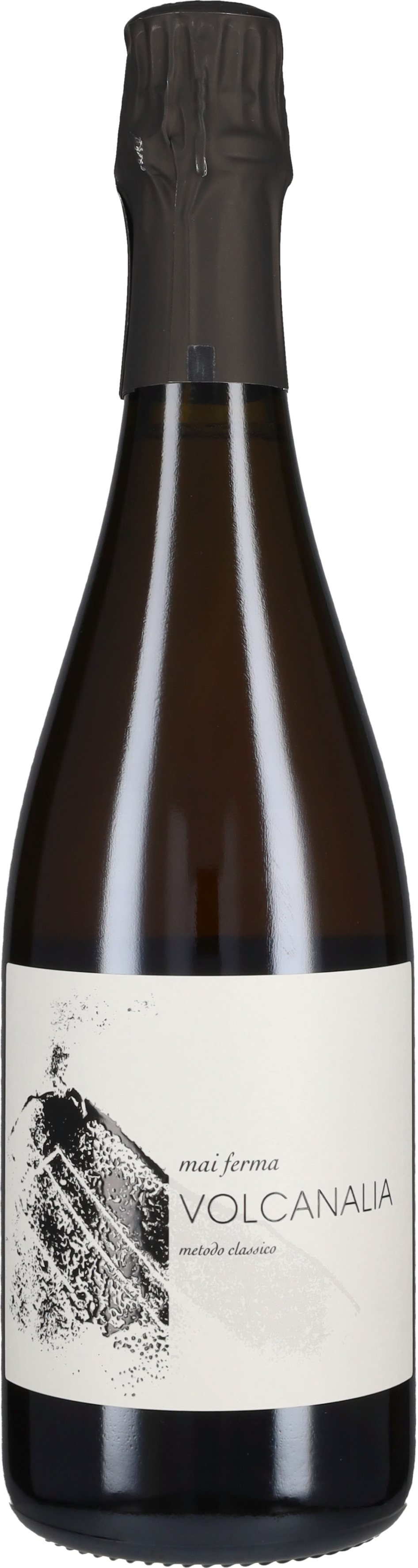
Products related to Sparkling-Traditional-Method-Rosé:
-
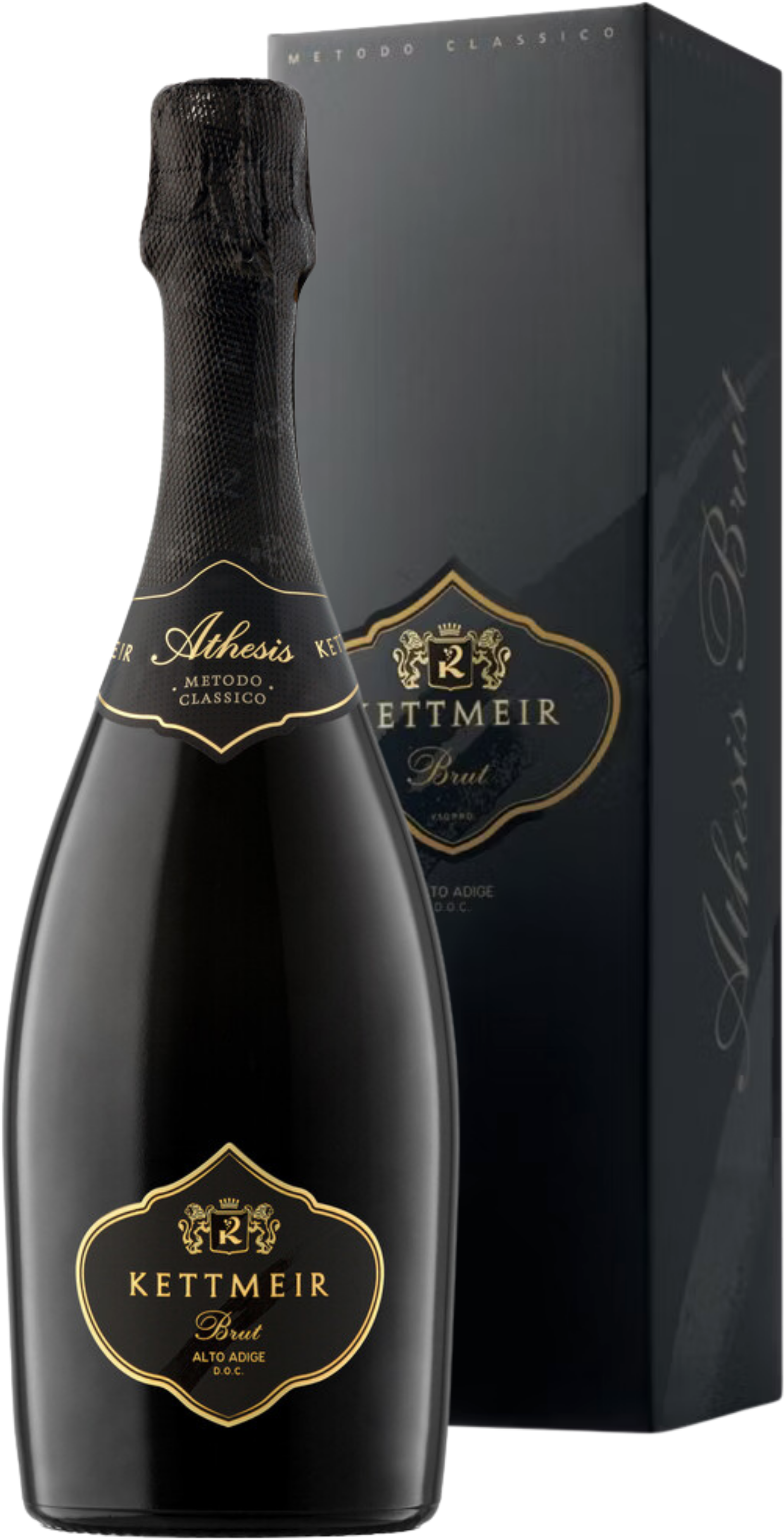
Classic Method Sparkling Brut 'Athesis' Kettmeir 2022 (Packaging)The Classic Method Sparkling Brut "Athesis" from the Kettmeir winery is a wonderful example of how splendid sparkling wines can be found in the shadow of the South Tyrolean Dolomites: Chardonnay, Pinot Bianco and Pinot Nero blend together to create a wine with vibrant elegance and profound smoothness. The vineyards, cultivated using pergola and espalier training systems, are located at an altitude of no more than 700 metres above sea level on calcareous-clayey soils where the Ora del Garda wind caresses the fruit in summer, helping it to reach perfect ripeness.The history of Kettmeir's "Athesis" Brut Classic Method Sparkling wine begins in mid-September, coinciding with the start of the harvest season. Once harvested, the Chardonnay, Pinot Bianco and Pinot Nero grapes are transferred to the cellar to be vinified separately, awaiting fermentation at around 14-16 °C. The wine is then refermented in the bottle and disgorged according to the principles of the Classic Method. Finally, the production process concludes with 24 months of ageing, spent entirely on the lees in the bottle.Kettmeir's Sparkling wine "Athesis" fills the glass with a bright straw yellow colour defined by fine, persistent bubbles. White fruits and notes of grapefruit and lime open the dance of the bouquet, where jasmine and the fragrance of bread crust close the gentle profile of this exciting South Tyrolean sparkling wine. Soft, creamy and with lively, cheerful bubbles, it is magnetically pleasant to drink, consistent with the aromas perceived by the nose, with citrus notes and great balance. The 'Athesis' sparkling wine brings with it the freshness that only the Dolomites can offer, making it an excellent companion for an aperitif, but it can also enhance light risottos or medium-intensity fish dishes. A Metodo Classico to be enjoyed down to the last bubble.29,00 £*Shipping: 48,00 £Secure redirect to the provider
-
White or rosé tuna?
White tuna is typically the preferred choice for sushi and sashimi due to its mild flavor and firm texture. Rosé tuna, also known as bluefin tuna, is prized for its rich, fatty flesh and is often used in dishes like sashimi and sushi. Both types of tuna have their own unique qualities, so the choice ultimately depends on personal preference and the specific dish being prepared. **
-
What are the substitution method, the addition method, the substitution method, and the subtraction method?
The substitution method is a technique used to solve systems of equations by solving one equation for one variable and then substituting that expression into the other equation. The addition method, also known as the elimination method, involves adding or subtracting the equations in a system to eliminate one of the variables. The multiplication method is a technique used to solve systems of equations by multiplying one or both equations by a constant to create opposite coefficients for one of the variables. The subtraction method is similar to the addition method, but instead of adding the equations, one equation is subtracted from the other to eliminate one of the variables. **
-
How do the substitution method, the equating method, and the elimination method differ?
The substitution method involves solving one of the equations for one variable and then substituting that expression into the other equation. The equating method involves setting the two equations equal to each other and solving for one variable. The elimination method involves adding or subtracting the two equations to eliminate one of the variables, and then solving for the remaining variable. Each method has its own unique approach to solving systems of equations, and the choice of method depends on the specific equations and variables involved. **
-
What is the sales cost method, the direct cost method, the overhead cost method, and the full cost method?
The sales cost method is a pricing strategy that sets the selling price of a product by adding a desired profit margin to the cost of the product. The direct cost method involves calculating the cost of producing a product by considering only the direct costs, such as materials and labor. The overhead cost method involves factoring in the indirect costs, such as rent, utilities, and administrative expenses, in addition to the direct costs. The full cost method takes into account all costs associated with producing a product, including direct and indirect costs, to determine the total cost of production. **
Similar search terms for Sparkling-Traditional-Method-Rosé
-
How do the substitution method, the method of equating coefficients, and the elimination method differ?
The substitution method involves solving one of the equations for one variable and then substituting that expression into the other equation. The method of equating coefficients involves setting the coefficients of the variables in both equations equal to each other and solving for the variables. The elimination method involves adding or subtracting the equations to eliminate one of the variables and then solving for the remaining variable. Each method has its own unique approach to solving systems of equations and may be more suitable depending on the specific problem at hand. **
-
Which method, the 3-point method or the 4-point method, provides the better value?
The 4-point method generally provides a better value compared to the 3-point method. This is because the 4-point method allows for a more comprehensive assessment of the subject being evaluated, as it considers additional data points and provides a more nuanced understanding. The 3-point method may be simpler and quicker, but it may not capture the full range of factors that contribute to the overall value of the subject. Therefore, in most cases, the 4-point method is preferred for its ability to provide a more accurate and detailed evaluation. **
-
Is my own learning method or memorization method good?
It ultimately depends on your individual learning style and preferences. Some people may find that they learn best through hands-on activities and practical application, while others may excel at memorization and rote learning. It's important to experiment with different methods and techniques to see what works best for you. Additionally, a combination of both methods may be beneficial in certain situations to enhance understanding and retention of information. **
-
What is more effective: Newton's method or bisection method?
Newton's method is generally more effective than the bisection method in terms of convergence speed. Newton's method typically converges faster as it uses the derivative of the function to find the root, while the bisection method only relies on the sign change of the function. However, Newton's method may not always converge or may converge to a local minimum if the initial guess is not close enough to the root, whereas the bisection method is more robust and guaranteed to converge to a root within a specified interval. **
* All prices are inclusive of VAT and, if applicable, plus shipping costs. The offer information is based on the details provided by the respective shop and is updated through automated processes. Real-time updates do not occur, so deviations can occur in individual cases. ** Note: Parts of this content were created by AI.